Tai Chi Postures
About Tai Chi Postures
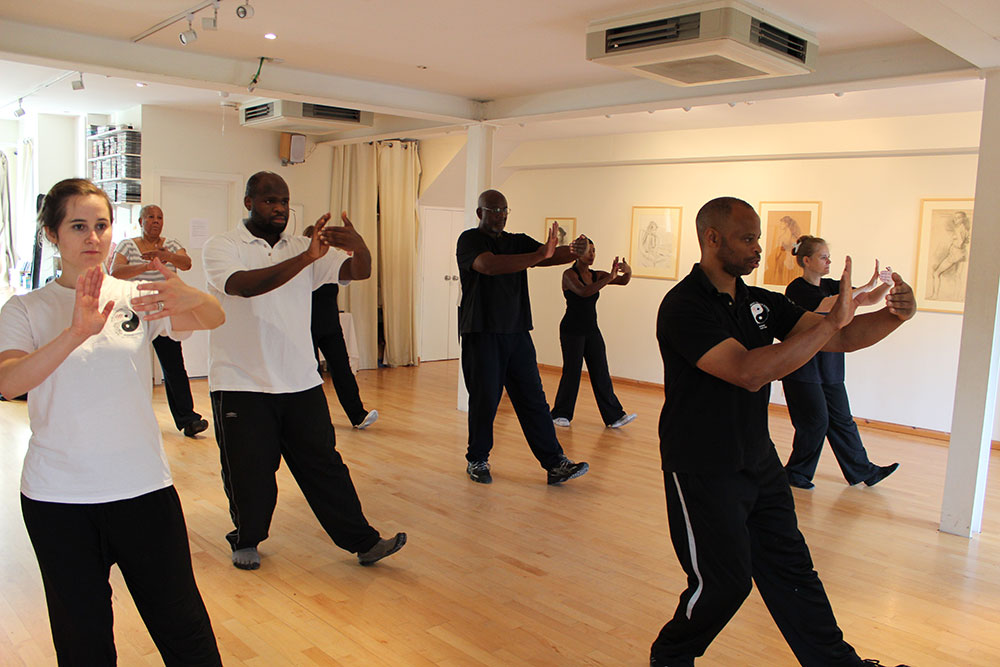
Tai Chi Postures are what you see when you see people practicing Tai Chi. They go through a series of single postures in a dance-like routine. Each posture connects to the next one without pause. The idea is to move slowly from posture to posture without hesitation, like water flowing in a country brook. Beginners start with the 24 Postures and, at advanced levels, learn the 108 Postures. The 108 postures take approximately 30 minutes to complete. Each posture has colorful names, such as Brush Knee - Push or Single Whip. These names give you an indication of how to do that posture and its self-defense application. The word Tai Chi Chuan means Grand Ultimate Fist. That's because Tai Chi is considered the highest form of self-defense.
Balance
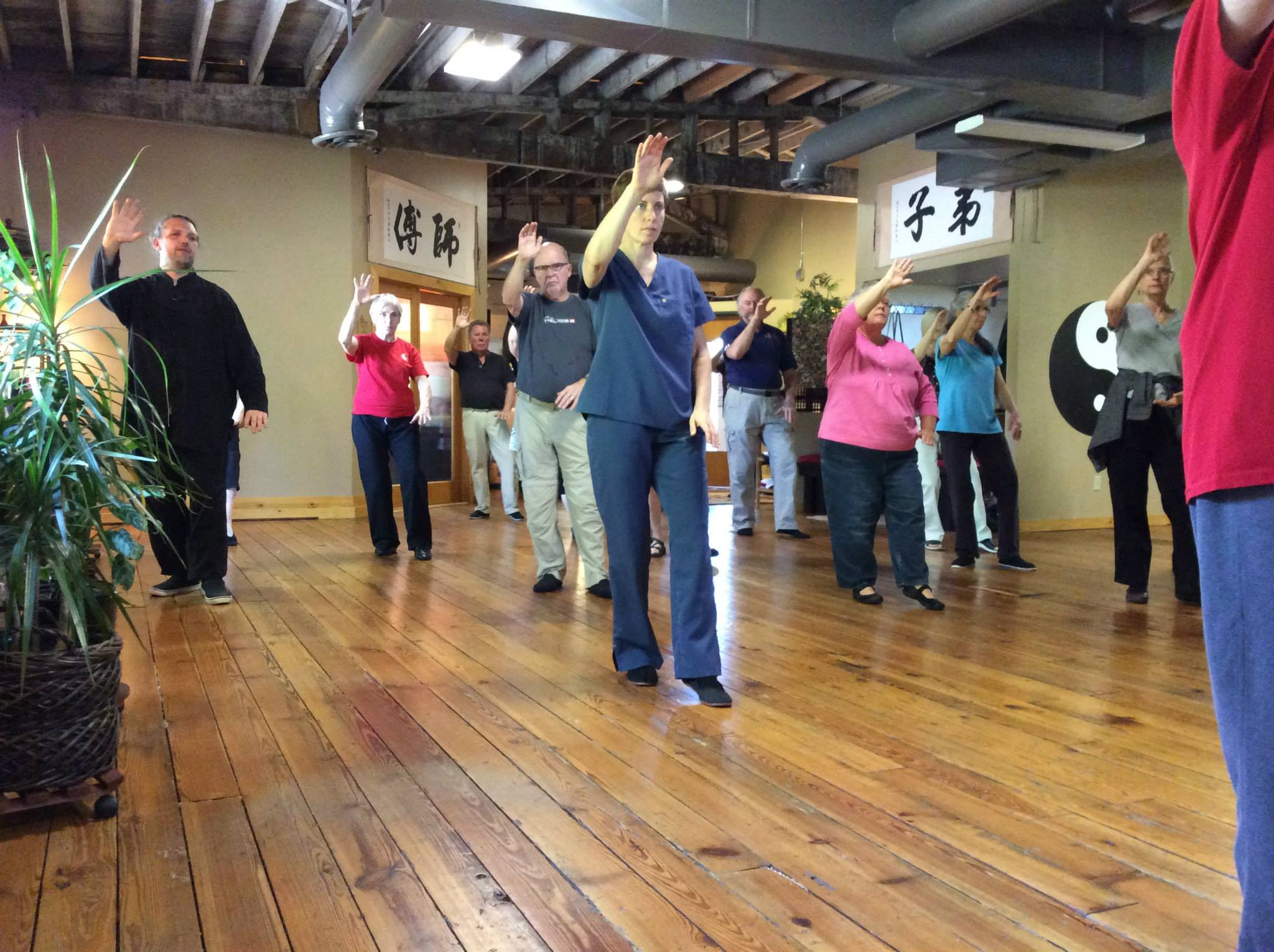
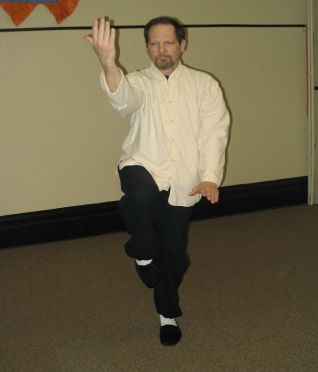
Balance is improved as you learn the postures. The reason is that you are constantly shifting your weight and changing postures. Tai Chi postures improve your balance because you must continually be aware of where your weight is and the variety of positions.
Muscle Tone
Many people do not consider Tai Chi an exercise because of its slow, low-impact movements. However, unlike traditional activities such as weightlifting, you are exercising the internal muscle fibers. Not only are you improving lower-body strength, but also the lower back and the arms. You do Tai Chi postures bilaterally. That means you do what you do on the right side on the left. That gives you a full-body workout.
Joint Mobility
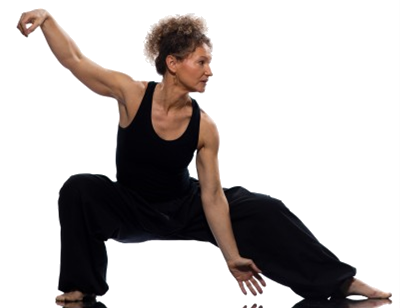
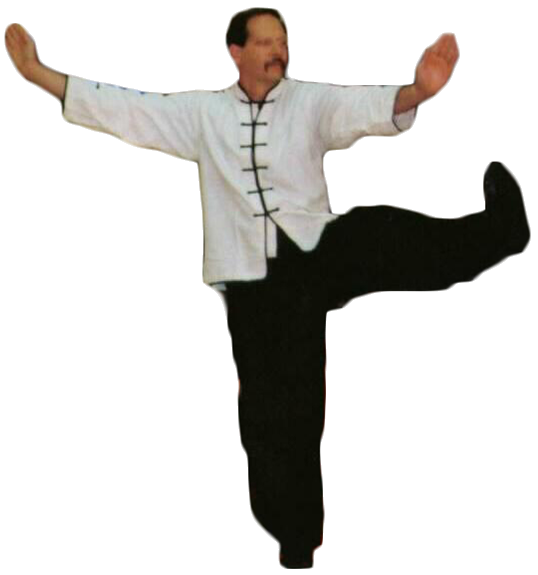
Every Tai Chi posture uses all the joints from the tips of your fingers to your toes. Each position uses the joints differently. In one pose, you might bend your front knee and keep your back leg straight. In another pose, you might have all the weight on the back leg, with the front toes just barely touching the ground. Each pose has different arm and hand movements. In one pose, your arms might spread. In another pose, one arm extends forward and the other backward. This is improving your overall blood flow and joint flexibility in the shoulders. Fingers, wrists, and elbows are always in different positions. These different positions aid in the flexibility and blood flow in those joints.
Tai Chi Circles
Circles are an essential aspect of Tai Chi. My teacher, Grandmaster Shum, told me emphatically that good Tai Chi is circular. The Tai Chi ancestors believed that since every part of your body is circular, Tai Chi should be circular too. That works naturally with your body rather than against it. Without understanding circles, you can never use Tai Chi for self-defense. The basic Tai Chi premise for self-defense is to absorb an attack and redirect it away from you. Think of a hurricane. The wind is usually mild, but when it becomes a circle, then nothing can stand in its way.
Breathing
Breathing plays a significant role in every posture. All breathing is done through the nose, from the lower abdomen to the nose. Each posture has an inhale and an exhale. Since you move your arms and legs differently with each posture, lower abdominal breathing exercises various internal organs by gently massaging them, keeping them healthy and vibrant.
Very Relaxing
I found tai chi to be very relaxing. My first class was great. After I left, my drive home was peaceful, and mind and body were relaxed. My first class was great.

Linda
Why Try a FREE (no obligation) Trial?